
Welcome to OSV Field Notes, a weekly, high‑signal curation of things worth your time.
1. The Virtuosity of Indian Classical Music: Ustad Zakir Hussain & Rakesh Chaurasia
If you appreciate Indian classical music, or are open to discovering it, I highly recommend this performance by the late Ustad Zakir Hussain and Rakesh Chaurasia at the 2015 EtnoKraków/Crossroads Festival in Poland. You may have seen Zakir in Dev Patel’s Monkey Man. This is your chance to witness the legend in his element.
The first half features a beautiful dialogue between Zakir’s tabla and Rakesh’s bansuri (bamboo flute). The way they anticipate each other, build tension, and create moments of joy is extraordinary. But the real magic happens in the second half. Zakir’s solo is absolutely mesmerizing. I lost all sense of time as I found myself caught up in his joy. His playing has everything: suspense, thrilling crescendos, genuine humor, and an ongoing conversation with the listener. After the solo comes a stunning jugalbandi (duet) between the two masters that brings it all together.
The sheer virtuosity and playful energy transcend any language or genre barrier. Set aside the hour and let yourself be transported. [Vatsal]
2. Island: Huxley Explores Utopia
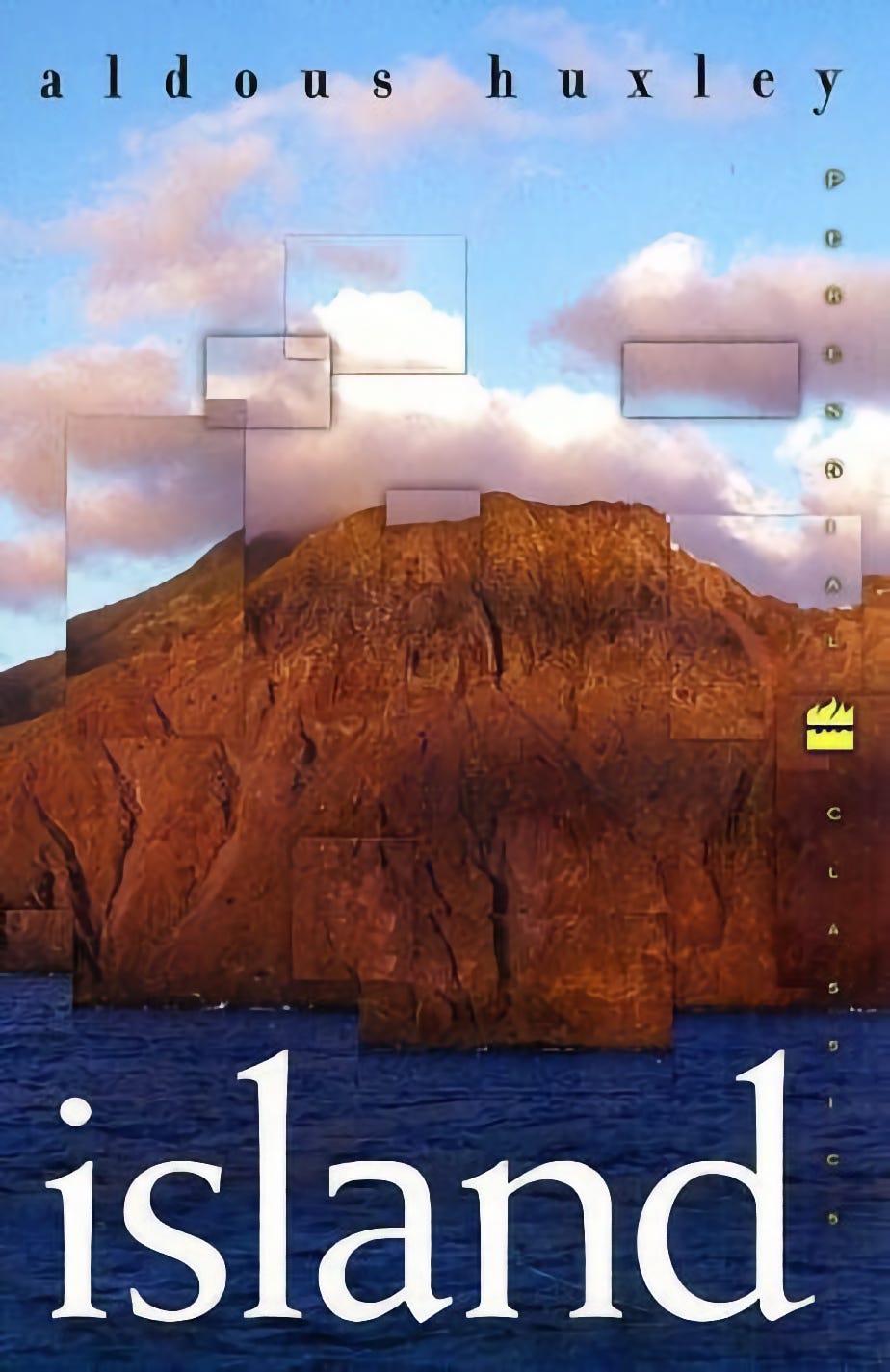
Most of us know Aldous Huxley through his dystopian novel Brave New World. But did you know that thirty years later, he wrote a utopian counterpart?
Island (published in 1962) was Huxley’s final novel before he died in 1963. It contains all sorts of at-the-time radical ideas: emotional literacy, ecological economics, “moksha medicine” (a psychedelic sacrament), and more. Name a syncretic idea and there’s a good chance it’s in here.
The book starts like an adventure thriller. Cynical journalist Will Farnaby deliberately wrecks his boat and washes up on the forbidden island of Pala, where he discovers a calm, wise world with a system that actually seems to work for its inhabitants.
Then comes a twist: Wisdom and utopia are not exactly scalable. Huxley explores hard questions about practicality, feasibility, and convenience. Questions that remain relevant today.
I found the book a refreshing departure from all the dystopian narratives we frequently come across. It doesn’t provide easy answers, but it is willing to grapple with the questions. For me, this was Huxley at his most hopeful. [Aashisha]
📘 Island by Aldous Huxley
3. Klute : The Sleeper of Pakula’s Paranoia Trilogy
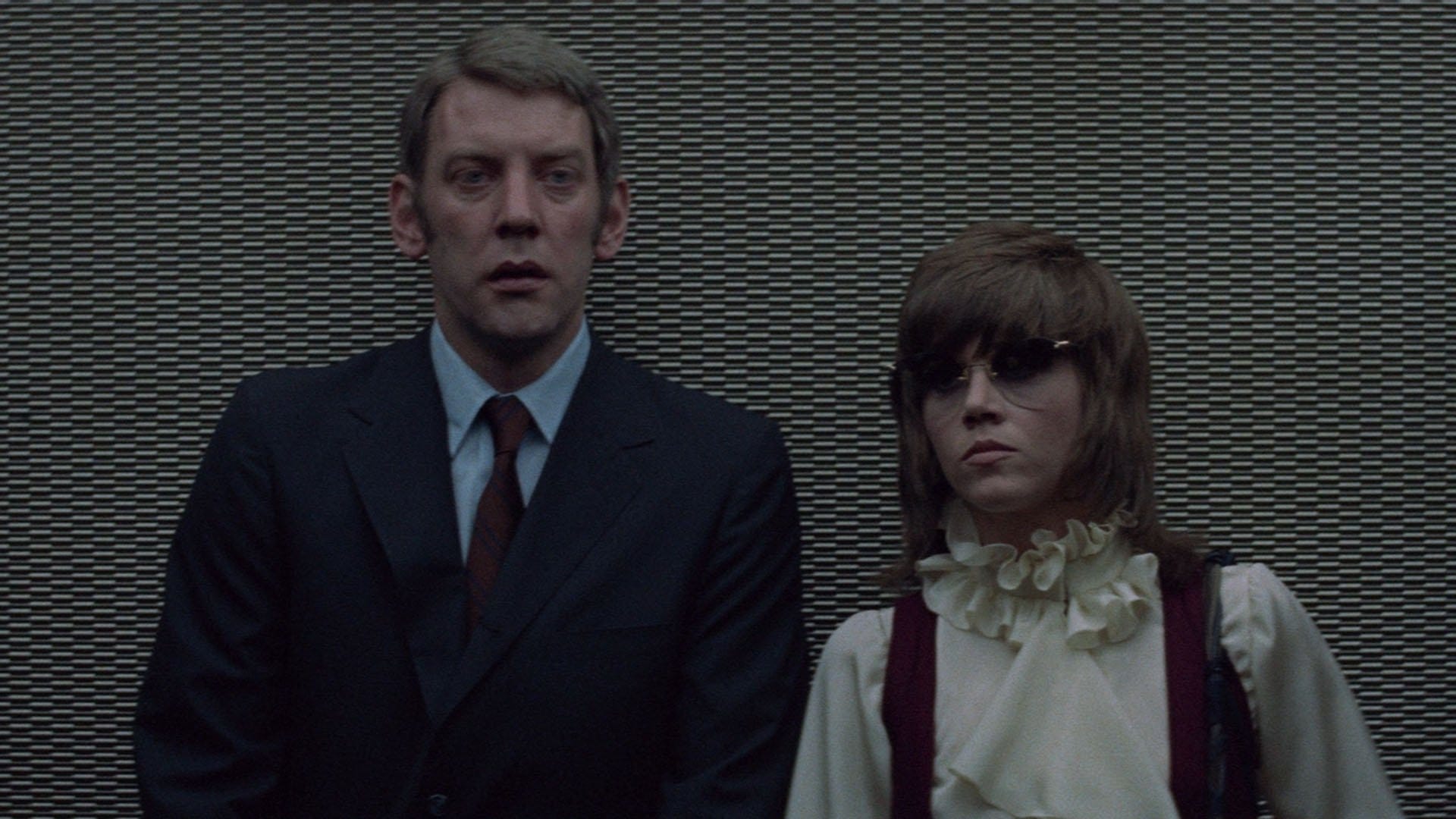
Is Jane Fonda’s performance in Klute the best of the 1970s? It’s at least in the conversation.
This 1971 film launched Alan J. Pakula’s unofficial trilogy of paranoid surveillance thrillers: Klute, The Parallax View (1974), and All the President’s Men (1976). All three are classics, but this might be the most underappreciated of the bunch.
On paper, it’s a conventional thriller about a serial killer and the private detective tracking them down… but in practice the mystery is really just an excuse for a character study of Fonda’s Bree. A call girl who may be the murderer’s next target, she is one of the decade’s most fully realised screen characters.
Cinematographer Gordon Willis (who would go on to shoot The Godfather) is cooking throughout, creating a murky world of shadows and lamplight. [Ed]
🎬 Klute (1971)
4. Dan Brown’s The Secret of Secrets: Consciousness as Cloud Computing
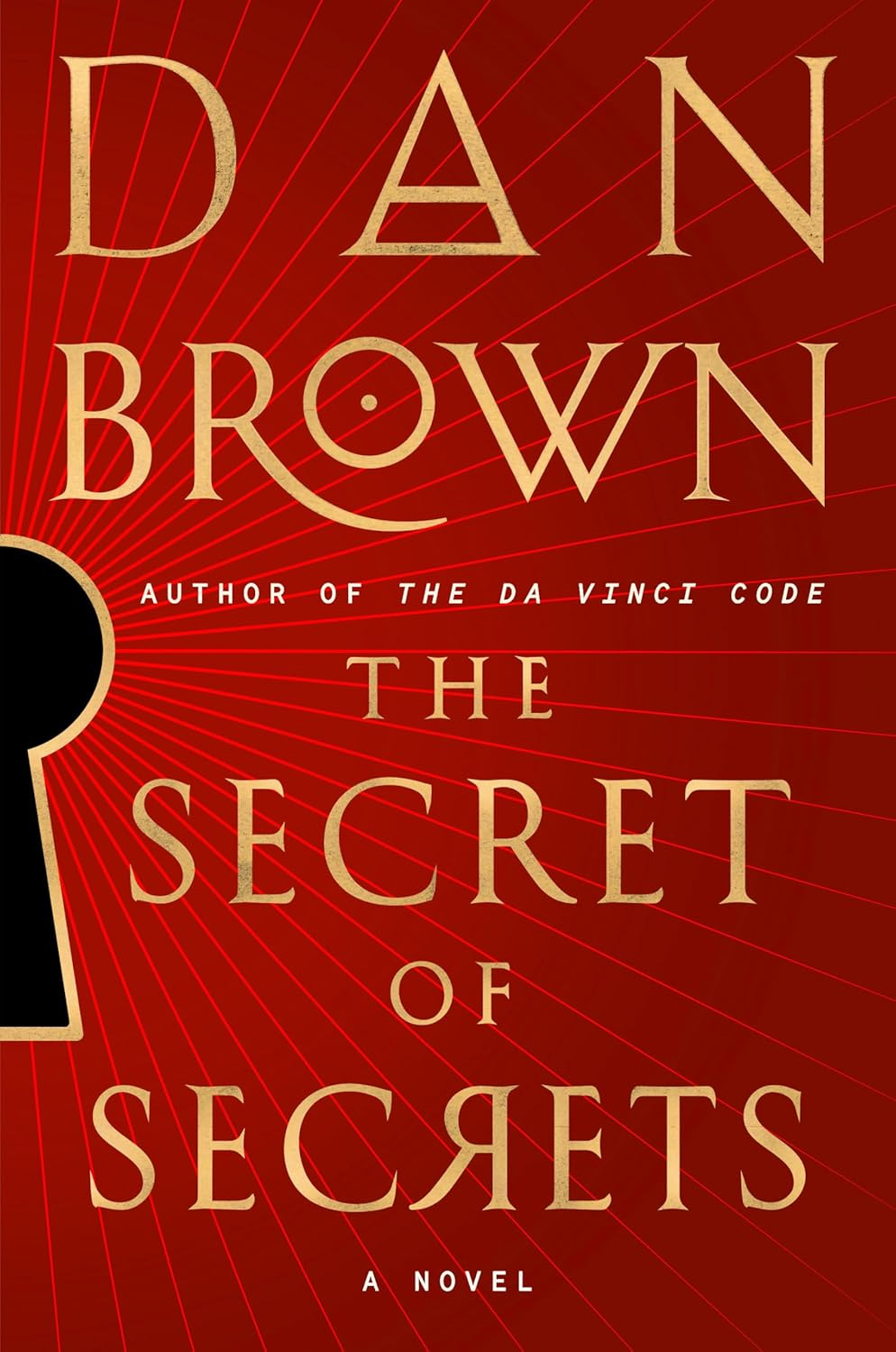
I was at Dan Brown’s book tour in Hamburg last year when he said something that caught me off guard: “I’m not religious, but I believe consciousness survives death.” His new book, The Secret of Secrets, explores an idea that’s been quietly circulating: we’re only accessing a fraction of what’s actually out there.
Brown proposes a different model: what if the brain receives — rather than generates — consciousness. Like a radio tuning into a broadcast. Intelligence, in this view, is just signal clarity. If consciousness is fundamental to reality, like gravity or electromagnetism, then enlightenment is basically better reception (Whether you buy it or not, it’s a great thriller engine.).
Evolution prioritises survival over truth. Brown builds a whole mythology around GABA (gamma-aminobutyric acid), a neurotransmitter that filters out most of the noise from what Brown calls the “universal field.” Without it, Brown claims, we’d drown in information. What we experience as reality is heavily compressed: consciousness on a need-to-know basis.
In this speculative view, the interesting part is what happens when that filter breaks down. During near-death experiences, GABA levels drop and the radio picks up frequencies it normally blocks. What people dismiss as hallucinations might just be unfiltered data.
In Brown’s telling, death looks different. Less like an ending, more like removing a filter. Your brain was just temporary hardware. The signal was always something else. [Camellia]
📕 The Secret of Secrets by Dan Brown
5. Animation Obsessive: Deep Dives in the Craft of Animation
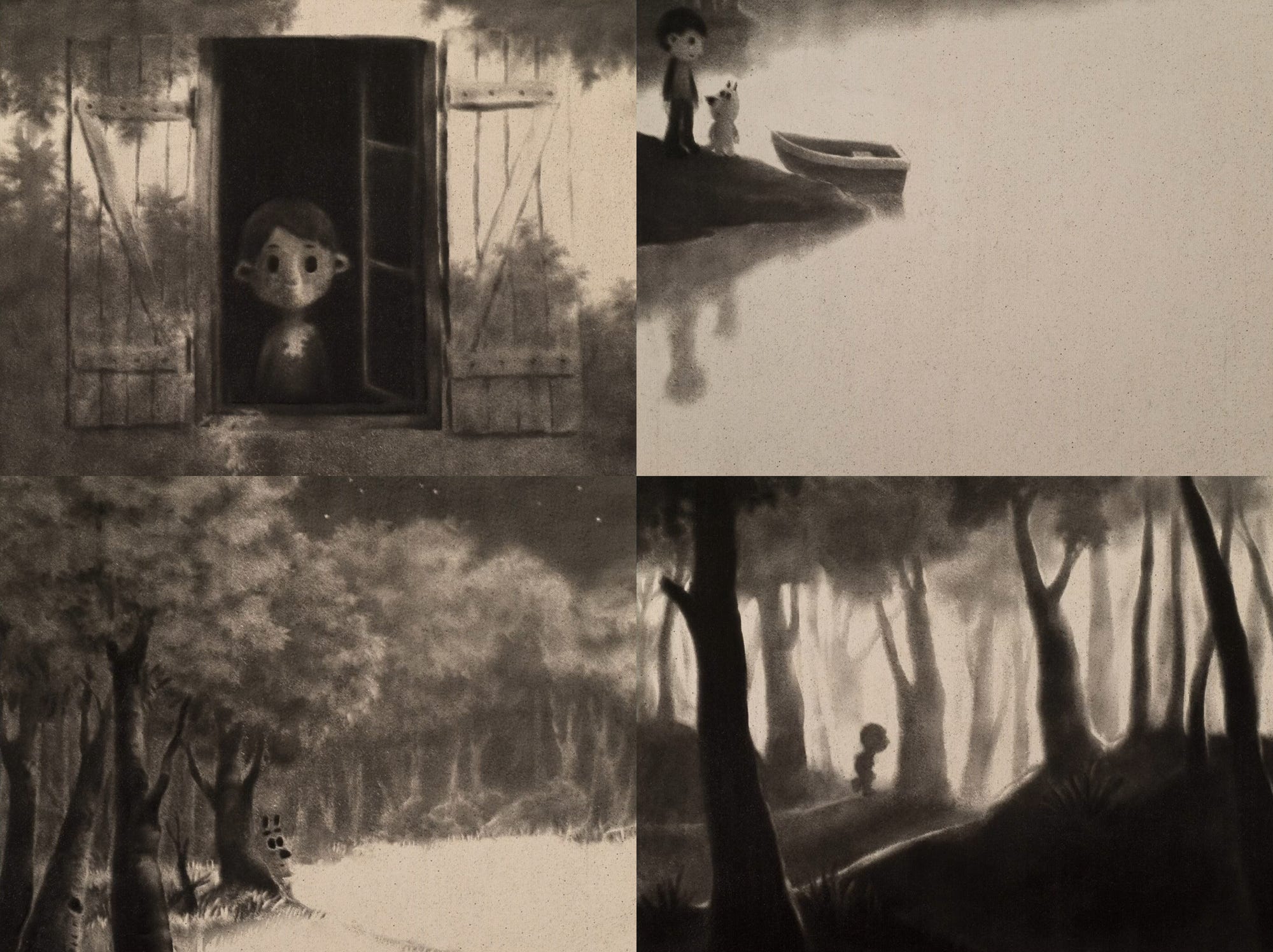
Animation Obsessive is one of my favourite newsletters. Their team has an encyclopedic knowledge of the art, craft, and history of animation, from Miyazaki to wool-based stop-motion. Twice a week, they publish fascinating, well-researched deep dives into a film, technique, or animation story, along with news from across the animation world — often pulled from obscure or hard-to-find sources.
You don’t need to be an animation superfan to enjoy it (I’m not). If you like stories about craft and artistry, you’ll find something to love. Their enthusiasm is infectious, and their taste is excellent: even when the style isn’t to my liking, it’s always interesting. Take the dying art of pinscreen animation, a technique that uses light and a field of thousands of pins to sculpt images from shadows (see the image above — Have you ever seen anything like that?). [Ed]
I love the Indian classical music, and the piece on Dan Brown's book! Thank You for Being!