
Welcome to OSV Field Notes, a weekly, high‑signal curation of things worth your time.
1. DORAs: How I Finally Improved My Sleep
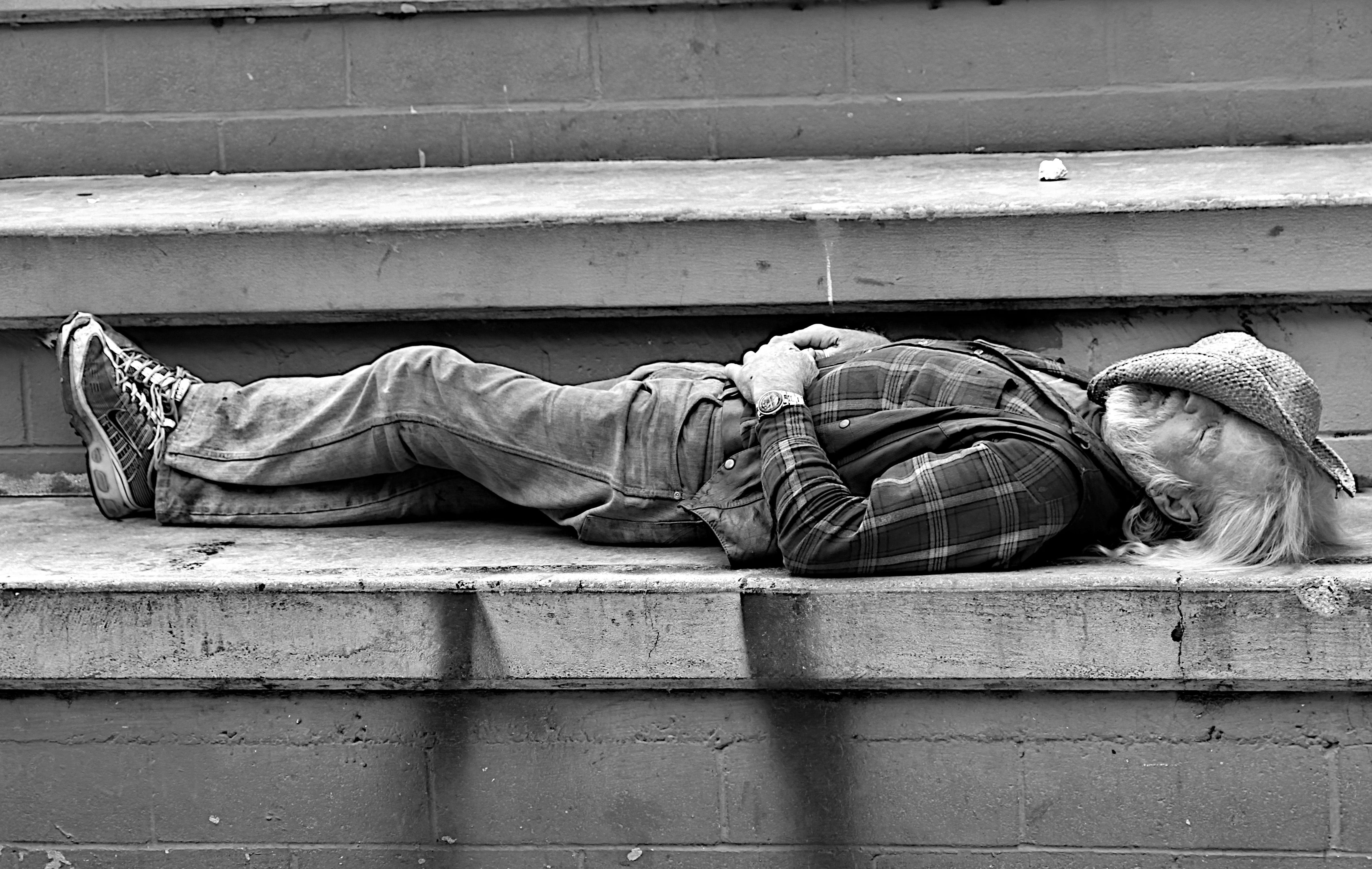
I haven't really slept well since I was a child.
It's been a problem, as you can imagine. It didn't help that I had a former career with late shifts. Well, free from that, I finally decided to improve my sleep. Several years later, impressive effort has led to unimpressive results.
I've done every behavioral modification known to man. Blackout curtains, eye mask, mouth tape, mandibular advancement devices, glycine, magnesium, theanine, myo-inositol, valerian root, strict bedtimes, strict wake times, blasting my suprachiasmatic nucleus with morning bright light. Working out only in the morning to manage cortisol levels, not eating 5+ hours before bed. I even gave up caffeine, permanently. I killed my one true love in the name of sleep, and yet still Morpheus has eluded me.
Until about 3 weeks ago.
A new class of pharmaceuticals called DORAs (Dual Orexin Receptor Antagonist) has been developed. Now, I'm extremely wary of pharmaceuticals. All of the sleep meds developed absolutely destroy deep sleep and REM cycles, which is the good stuff I actually want. DORAs are different. They target the neurochemical Orexin, which promotes wakefulness. My issue was always sleep-maintenance insomnia, meaning I would wake up too early and I could never fall back asleep. No longer! This medication feels like a gift from the divine. The last three weeks has potentially been the best sleep I've had in. . . an embarrassing number of years.
Yes, my mornings are a little slower, a little groggier. But not overwhelmingly so. And it doesn't work perfectly: I've still had a couple of short nights. But the improvements are Changing. My. Life.
This is just an initial assessment. I'll follow up in a few months with a proper retrospective! [Jean-Marc]
2. Relay: A Throwback Thriller Worth Your Time
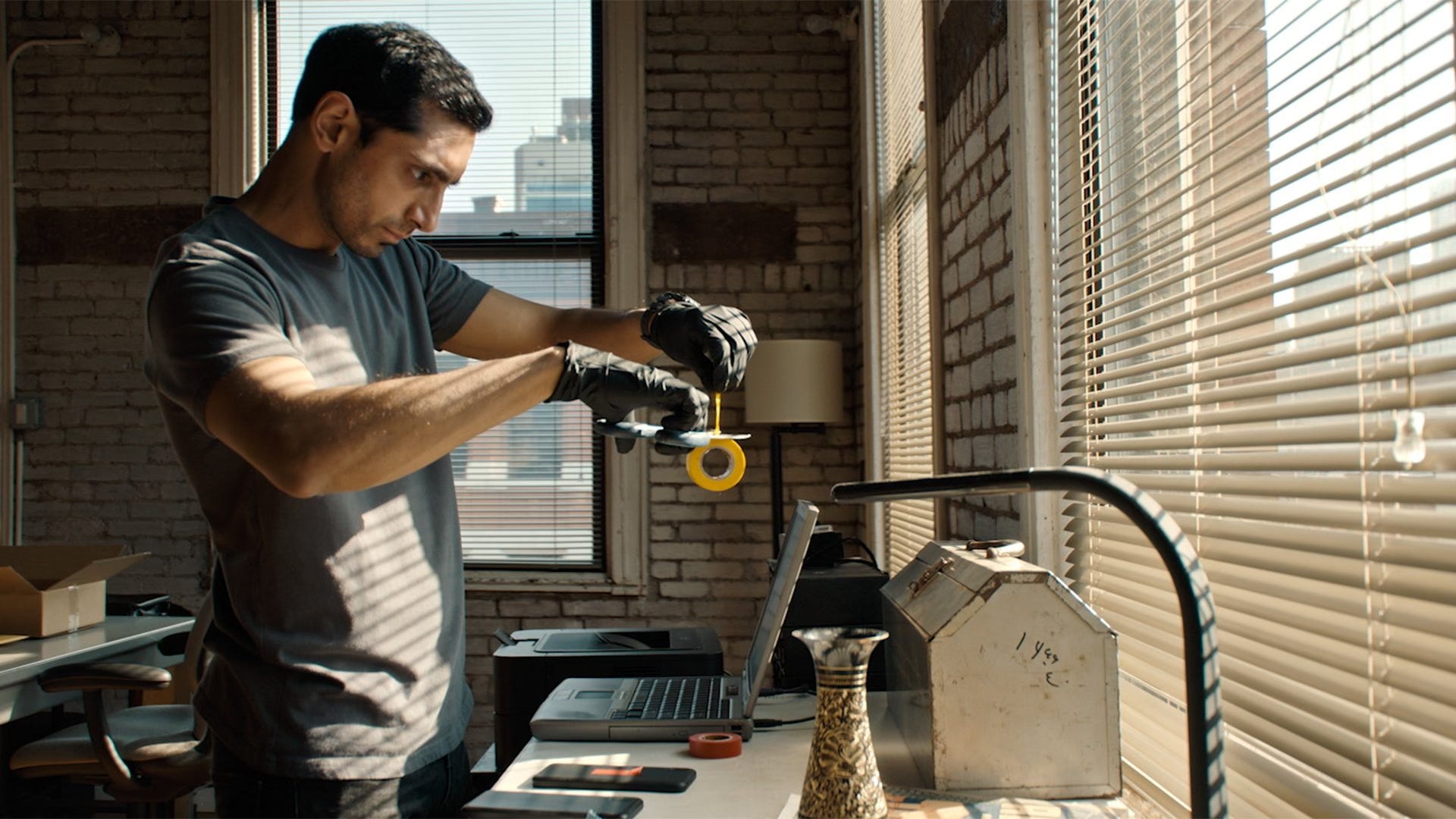
Here’s a surprise. A sober, mid-budget, on-location surveillance thriller from 2024 in the mold of the 1970s paranoid wave and its 1990s/2000s imitators. The always excellent Riz Ahmed plays Ash, a loner brokering between faceless corporate behemoths and the desperate whistleblowers who regret their bravery. He prides himself on his independence. By acting for both sides, everybody wins. The corporations get to keep their dirty secrets, the whistleblowers get their safety, and he gets his money.
But when a beautiful scientist crosses his path, everything begins to go wrong. Like many of the broken, lonely men of cinema’s past, he has a code. What will it cost him to break it?
Patient and calm, with great on-location set pieces and an aversion to the winking, self-aware mode of thriller that has taken over in recent years. Takes itself seriously, and as a result, we do too. Loses its way in the final 15 minutes, but worth it for what comes before. [Ed]
Relay (2024)
3. Game of Thrones for History Nerds: Colleen McCullough’s Masters of Rome
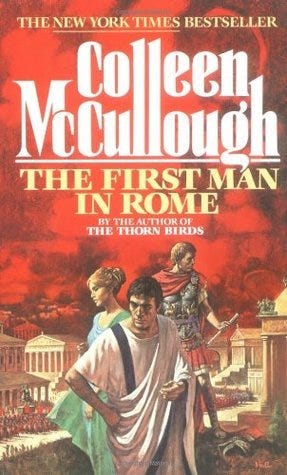
The true heads know that “how many times a day do you think about the Roman Empire?” is the wrong question. Real ones think about the Roman Republic. Its final 100 years are in the conversation for the most thrilling century in history, featuring a catalogue of Great Men - Marius, Sulla, Pompey, Cicero, Caesar, Cato, Antony, Sertorius, and more - vying for glory and gambling with the future of Western civilization in the process.
The great allure of Roman history is that this society feels both so much closer to today than much of the following 1,700 years, and so much further away. McCullough, who amassed a library of thousands of books for research, brings the period to life in all its brutal glory in this seven-part series. It’s insanely well researched (closer to fictionalized history than historical fiction), and has all the thrills, twists, and set pieces of a Hollywood blockbuster. My favourite series. [Ed]
The Masters of Rome series (1990 - 2007); by Colleen McCullough
4. The Unseen Truth: How Real-Life Crime Shaped The Town
Having made my fair share of documentaries over the years, I’m always interested in the blurred line where fiction becomes reality, and vice versa.
If this sounds a bit fuzzy, here’s a good example. During Ben Affleck and Matt Damon’s recent conversation on the Joe Rogan Experience, Affleck shared how his research for The Town (2010) led him deep into the Massachusetts prison system. His goal was to understand the minds of those who robbed banks and money trucks. During one of these conversations, an inmate recounted how, after a successful heist, masked and armed, he and his crew switched getaway cars when they came face-to-face with a Boston police officer on construction duty. Instead of intervening, the cop simply "looked the other way."
Why didn’t he do his job? Well, the scary masks and loaded guns probably didn’t help. As the inmate told Affleck: "You don't want to end up on the wall of the VFW."
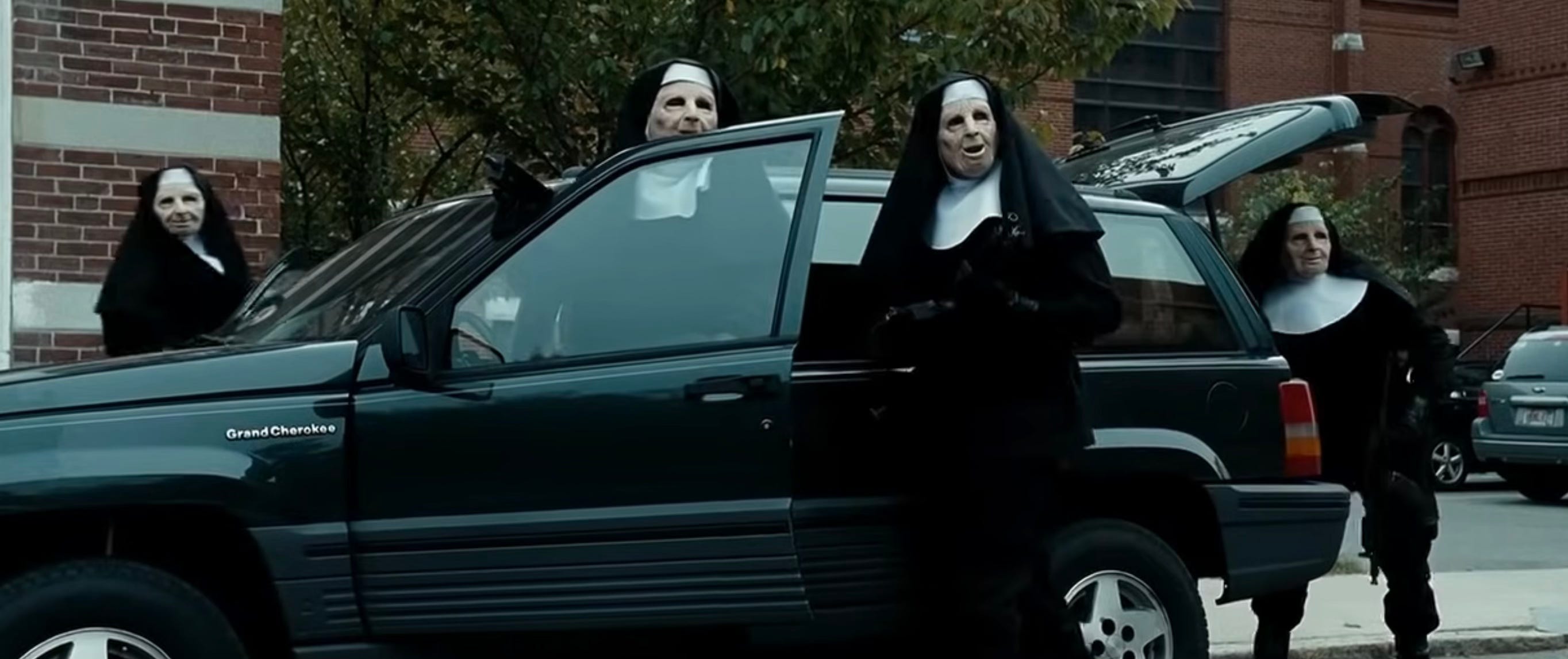
This unfiltered anecdote from a conversation behind bars became the foundation for an iconic moment in The Town. A crew of robbers, disguised as nuns, emerges from their vehicle, weapons concealed, only to find themselves in a silent standoff with a lone police officer. The cop meets their gaze, then, in a split-second decision, averts his eyes and lets them pass.
It’s a lovely bit of non-verbal storytelling. The cop's decision, born not of cowardice but of a pragmatic understanding of the situation, provides a layer of gritty realism that Hollywood often struggles to invent. It's a reminder that the most dramatic and believable narratives are often not in writers' rooms, but in the lived experiences of real people. [Taylor]
The Town (2010) - Nuns Run Into Boston Cop Scene
5. John Candy: I Like Me: Portrait of the Gentle Giant of Comedy
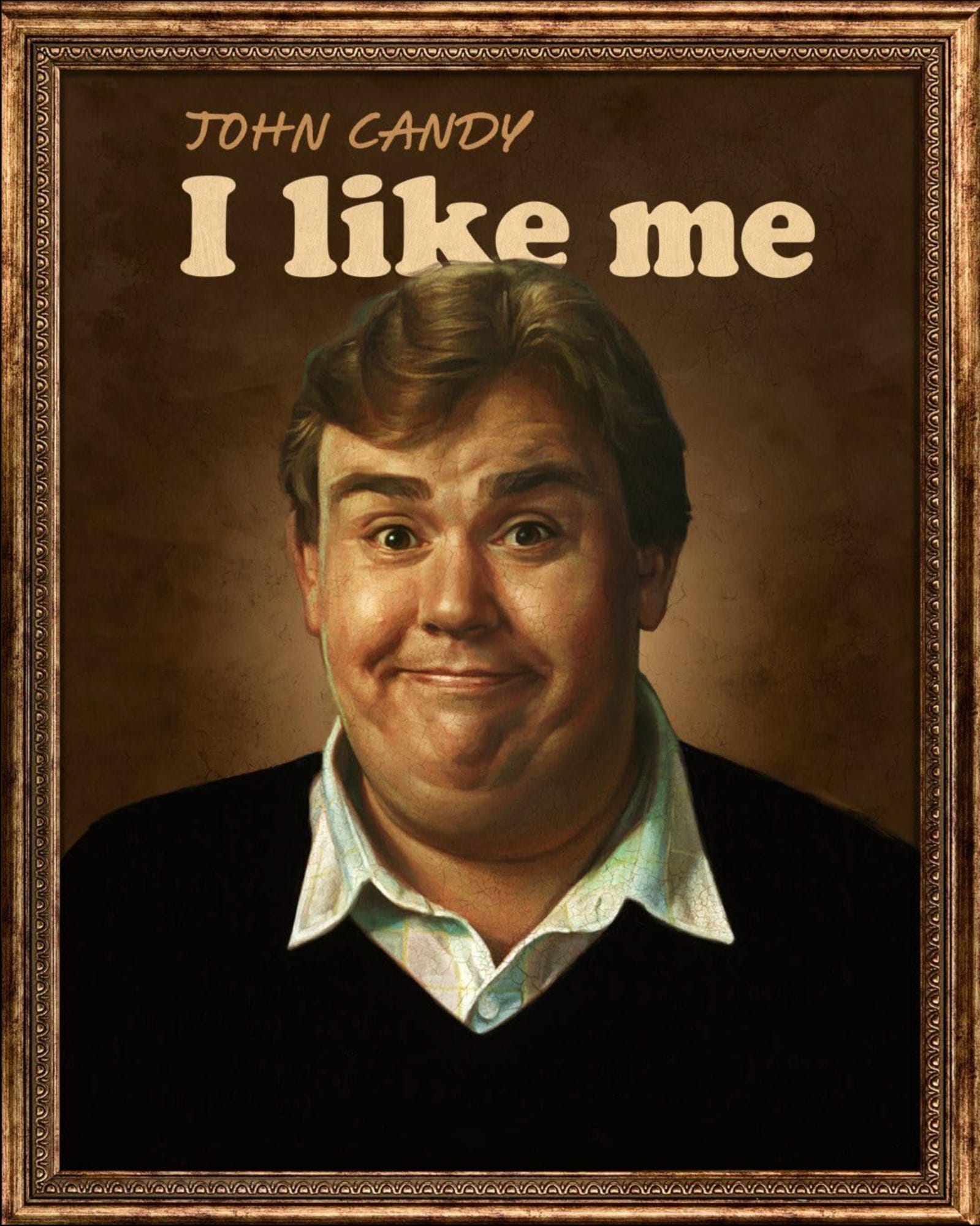
I finally got around to watching the John Candy documentary, and I’m glad I did. If you grew up in the 80s and 90s, Candy was *everywhere* — Uncle Buck, Planes, Trains and Automobiles, Stripes, Home Alone — but I realized I knew almost nothing about the man behind those roles, other than that I liked him.
What struck me most was the contrast between Candy’s enormous on-screen presence and confidence and his self-doubting inner life. The guy who could command a scene with a single raised eyebrow spent a lot of time wondering if he was good enough. There’s a throughline about his struggles with weight and health that adds a bittersweet layer to everything. What if he had another 20-30 years? The interviews with his former collaborators (including some SCTV footage I’d never seen) paint a picture of someone who was genuinely beloved, not just talented. Bill Murray and Dan Aykroyd share great anecdotes and heartfelt memories.
If you have any affection for Candy’s work, I’d recommend this one. It’s well-paced, doesn’t overstay its welcome, and manages to be celebratory without glossing over the harder stuff. It made me look back at his filmography differently and with more appreciation. [Liberty]
John Candy: I Like Me (2025)